- Akbar Medical center, Clinic 311A third floor Peshawar.
- +92 313 5735713
- Haleem Medical Centre Peshawar Road, Charsadda.
- +92 313 8822446
- Department of Orthopaedics Lady Reading Hospital MTI, Peshawar.
- 091-9211430
Knee Pain & Hip Pain
Treatment in Peshawar
Living with knee or hip pain affects everything — how you walk, sleep, work, and move. At OAIC, Dr Muhammad Inam provides accurate diagnosis and the full spectrum of treatment, from non-surgical management through to joint replacement, tailored to each patient’s condition and goals.
Qualification
FCPS · FRCS UK · FACS
Fellowship
Arthroplasty — Italy
Research
115+ Publications
Hospital
LRH MTI Peshawar
🦵 Knee Pain
Common
Osteoarthritis — gradual wearing of the knee cartilage
Structural
ACL or PCL ligament tear — often from injury or sports
Structural
Meniscus damage — cartilage disc tear causing locking or clicking
Common
Patellar (kneecap) problems — pain at the front of the knee
Serious
Rheumatoid arthritis — immune-mediated joint destruction
Common
Bursitis or tendinitis — inflammation around the joint
Serious
Gouty arthritis — uric acid crystal deposits in the joint
🏃 Hip Pain
Common
Hip osteoarthritis — most common cause of hip pain in adults over 50
Structural
Labral tear — damage to the cartilage ring around the hip socket
Structural
Femoroacetabular impingement — abnormal contact between bones
Common
Trochanteric bursitis — pain on the outer hip and thigh
Serious
Avascular necrosis — bone death from disrupted blood supply
Common
Referred pain from the lumbar spine — felt in the hip or groin
Serious
Rheumatoid or inflammatory arthritis affecting the hip joint
Warning Signs That Need Specialist Review
Some symptoms suggest a more urgent problem. Do not wait if you are experiencing any of the following:
Knee or hip pain that wakes you from sleep or is constant even at rest
Sudden giving way of the knee or inability to bear weight after an injury
Significant swelling that developed rapidly after a fall or twist
A visible deformity or the limb is in an unnatural position
Locking or catching of the knee joint — it gets stuck mid-movement
Hip pain with fever, or severe pain after a minor fall in an older patient
How Joint Pain Is Treated at OAIC
Treatment is always matched to the diagnosis and the patient. The majority of knee and hip conditions are managed without surgery at first.
1
Clinical Assessment
A detailed history and physical examination of the joint, combined with review of any imaging — X-rays, MRI, or ultrasound.
2
Non-Surgical Treatment
Physiotherapy, anti-inflammatory medication, joint injections (steroid, hyaluronic acid, or PRP), and activity modification.
3
Minimally Invasive Options
Arthroscopic (keyhole) surgery to repair ligaments, clean the joint, or treat meniscal damage — smaller incisions and faster recovery.
4
Joint Replacement Surgery
Total knee or hip replacement for end-stage arthritis — restoring pain-free movement when other treatments are no longer sufficient.
| Treatment | Type | Best For | Recovery |
|---|---|---|---|
| Physiotherapy | Non-surgical | Early arthritis, muscle weakness, post-injury rehabilitation | Ongoing — typically 6–12 weeks |
| Joint Injections | Non-surgical | Inflammatory flare-ups, moderate osteoarthritis, bursitis | Usually immediate; effect lasts weeks to months |
| PRP Orthobiologics | Non-surgical | Early to moderate cartilage degeneration, ligament injuries | 2–6 weeks to see benefit |
| Arthroscopic Surgery | Surgical | Meniscal tears, ligament repair, joint debridement | 2–6 weeks depending on procedure |
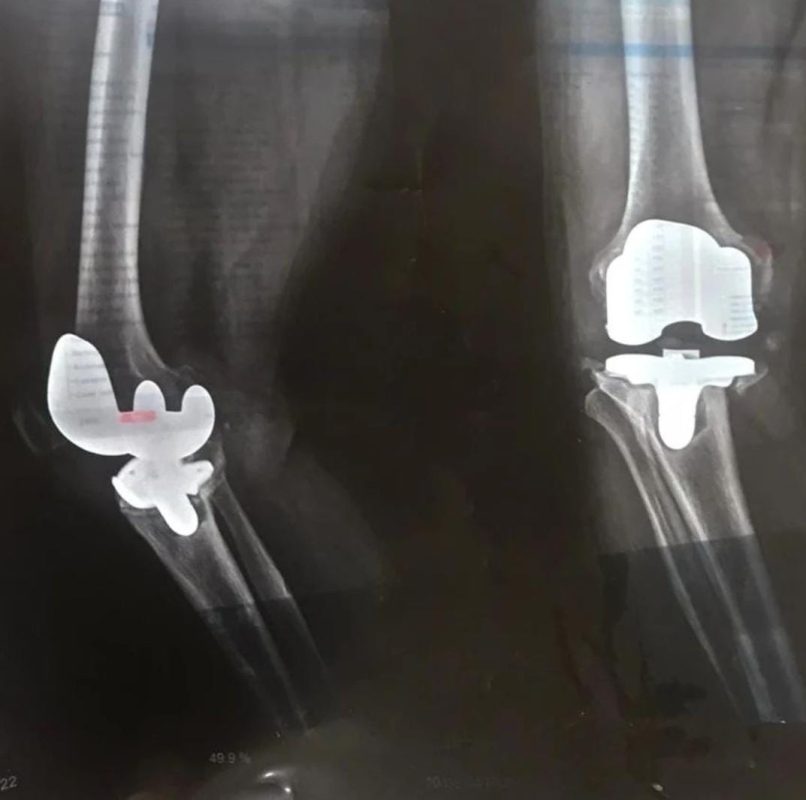
| Total Knee Replacement | Surgical | Severe knee arthritis unresponsive to conservative care | 6–12 weeks to independent mobility |
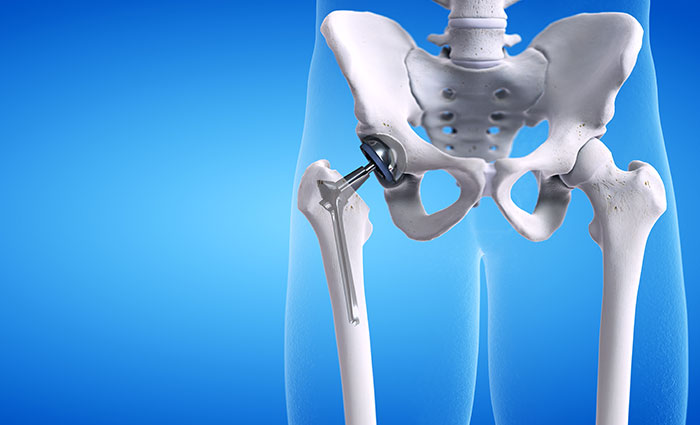
| Total Hip Replacement | Surgical | Advanced hip arthritis, avascular necrosis, fracture | 6–10 weeks to return to daily activities |
Arthritis Treatment in Peshawar — What Patients Need to Know
Arthritis is the single most common cause of both chronic knee pain and hip pain in adults. It is not one disease — it is an umbrella term covering over 100 conditions that affect joints. The three most frequently treated at OAIC are:
Osteoarthritis
The most common type — caused by gradual wear of the protective cartilage inside the joint. More common after 50, in overweight patients, and in people with a history of joint injury. The knee and hip are the joints most affected.
Rheumatoid Arthritis
An autoimmune condition in which the body attacks its own joint lining, causing inflammation, swelling, and progressive joint destruction. Can affect any age. Dr Inam's Certificate in Rheumatology (AACME, USA) is directly relevant here.
Gouty Arthritis
Caused by uric acid crystal deposits inside the joint. Produces episodes of intense, sudden pain — often in the knee — with redness and heat. Manageable with the right medication and dietary guidance alongside surgical treatment when needed.
Arthritis cannot be permanently reversed, but with early and appropriate treatment its progression can be slowed significantly, and most patients achieve very good pain control and functional improvement. At OAIC, the first step is always to establish which type of arthritis is present — because the treatment approach differs considerably between them.
Joint Replacement in Peshawar — When Is It the Right Choice?
Joint replacement surgery — whether knee or hip — is one of the most successful operations in orthopaedic surgery worldwide. However, it is only recommended when all appropriate non-surgical options have been exhausted and the patient’s quality of life is significantly affected by pain and loss of function.
The decision to proceed with joint replacement at OAIC is made based on:
- Severity of joint damage confirmed on X-ray or MRI
- How much daily activities are limited despite medication and physiotherapy
- The patient's age, general health, and activity requirements
- Whether pain is present at rest or only on activity
Dr Muhammad Inam completed a dedicated Arthroplasty Fellowship in Italy — one of very few orthopaedic surgeons in KPK to have done so. This specialist training in joint replacement surgery, combined with his broader orthopaedic experience, means that patients considering knee or hip replacement in Peshawar are in well-qualified hands.
Ligament Injuries and the Knee — ACL, MCL & Beyond
Ligament injuries are common causes of knee pain, particularly in younger and more active patients. The anterior cruciate ligament (ACL) is the most frequently injured — most often from a sudden twisting movement or direct impact. Symptoms include a sharp initial pain, rapid swelling, and the sensation that the knee “gave way.”
Not all ligament injuries require surgery. Partial tears and injuries in less active patients may be managed with physiotherapy and bracing. However, a complete ACL rupture in a patient wishing to return to sport or physically demanding work typically requires ACL reconstruction surgery — a procedure Dr Inam has extensive experience with, performed arthroscopically at OAIC.
Why Choose OAIC for Knee & Hip Pain Treatment in Peshawar
🇮🇹 Arthroplasty Fellowship — Italy
Dr Inam trained specifically in joint replacement surgery in Italy — providing a level of subspecialty expertise in knee and hip replacement that is rare in KPK.
🔭 Arthroscopy Fellowship — Greece
Advanced training in minimally invasive arthroscopic surgery means patients with ligament or meniscal problems can access keyhole techniques with shorter recovery times.
💉 Full Treatment Range
From joint injections and PRP orthobiologics through to total replacement — OAIC offers the complete spectrum of joint pain management under one specialist.
🩺 Rheumatology Expertise
Certificate in Rheumatology (AACME, USA) means inflammatory arthritis conditions are managed with the same specialist attention as surgical problems — without referring patients elsewhere.
📋 Honest, Conservative First
Surgery is never the first recommendation. OAIC's approach is to establish the correct diagnosis and exhaust all non-surgical options before discussing operative treatment.
📍 Three Clinic Locations
Serving patients from across KPK — Peshawar, Charsadda, and Lady Reading Hospital. No need to travel to Lahore or Islamabad for high-quality joint care.
Clinic Locations & Booking
Akbar Medical Centre
Haleem Medical Centre
Lady Reading Hospital MTI
Frequently Asked Questions
Who is the best knee pain specialist in Peshawar?
Dr Muhammad Inam Khan at OAIC is one of Peshawar’s most experienced knee pain specialists. He holds FCPS, FRCS UK, and FACS qualifications and completed a dedicated Arthroplasty Fellowship in Italy and an Arthroscopy and Sports Medicine Fellowship in Greece. He sees patients at Akbar Medical Centre, Peshawar, Monday to Friday from 4:00 PM.
What are the most common causes of knee pain in Peshawar?
The most common causes of knee pain treated at OAIC include osteoarthritis, ACL or meniscal injuries, rheumatoid arthritis, gouty arthritis, patellar problems, and bursitis. Correct diagnosis of the underlying cause is essential before treatment begins — the same symptom can have very different causes in different patients.
When should I consider knee replacement surgery in Peshawar?
Knee replacement is considered when severe arthritis causes persistent pain that limits daily activities and has not responded adequately to non-surgical treatments — including physiotherapy, injections, and medication — over at least several months. It is not a first-line treatment. Dr Inam assesses each patient individually and will discuss whether replacement is appropriate for your specific situation.
What is the best treatment for hip pain in Peshawar?
The best treatment for hip pain depends entirely on the cause. OAIC starts with a thorough assessment — clinical examination and imaging — to identify the problem precisely. Treatment may range from physiotherapy, anti-inflammatory medications, and joint injections to arthroscopic surgery or, in cases of advanced arthritis, total hip replacement. Dr Inam always tries conservative options first.
Can knee and hip arthritis be treated without surgery?
Yes — in the majority of cases, arthritis can be effectively managed without surgery for years. Physiotherapy, weight management, anti-inflammatory medication, corticosteroid injections, and hyaluronic acid or PRP injections all provide meaningful pain relief and improved function. Surgery is reserved for cases where these measures are no longer sufficient and quality of life is substantially affected.
Does OAIC treat joint pain from sports injuries?
Yes. Dr Inam completed a Fellowship in Arthroscopy, Sports Medicine, and Orthobiologics in Greece, making OAIC well-equipped to manage sports-related joint injuries including ACL tears, meniscal damage, ligament sprains, and cartilage problems — using both non-surgical and minimally invasive arthroscopic approaches.
Get Expert Knee & Hip Pain Treatment in Peshawar
Do not let joint pain limit your mobility. Early assessment leads to better outcomes and more treatment options.
Peshawar Clinic: Mon–Fri 4:00 PM – 7:30 PM · Sunday 12:00 PM – 4:00 PM | Charsadda: Saturday 9:00 AM – 7:00 PM